
Menu
Winter Concrete Care: Protecting Your Investment in Boston's Harsh Climate
Essential Tips for Maintaining Concrete During Boston Winters
As you see the leaves begin to fall and the temperature cools down, it is time for all of the concrete in your home or business in Boston to be prepared for the long, harsh New England Winter that is approaching. We know what a difficult job New England Winters are going to do on your concrete. This article will provide you with some professional advice about protecting your investments in concrete through the winter months.
Understanding Winter’s Impact on Concrete
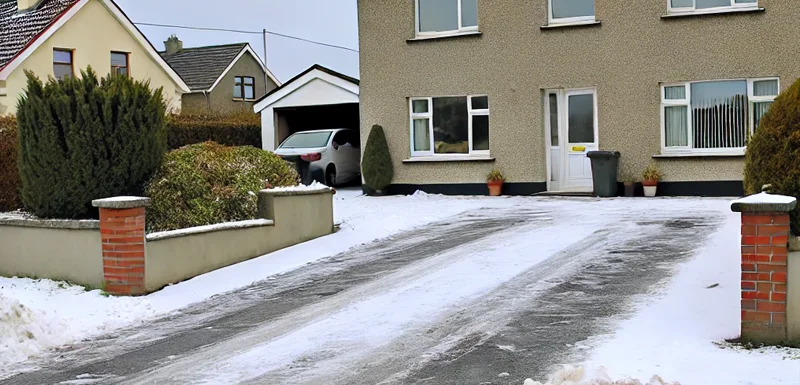
Winter is harsh for concrete. When the temperature fluctuates, water inside the concrete expands and contracts, which can cause cracks. De-icing salts are used to melt ice, but when the salt comes into contact with the concrete and the steel rebar inside, it can corrode both. When there is a significant accumulation of snow or ice, prolonged exposure to moisture can deteriorate the surface. Lastly, plowing or using a shovel to remove snow can inadvertently damage the concrete surface.
Pre-Winter Protection
Before the first frost, apply a high-quality concrete sealer to create a protective barrier against moisture and chemicals.
Pro Tip: Select a breathable sealer that allows moisture vapor to escape from the concrete.
Clean and repair any existing damage. Fill all cracks and holes with an appropriate concrete patching compound. Ensure the surface is clean by removing dirt, oil, or other debris.
Why it matters: Existing damage will worsen much faster if you do not take action to fix it now.
Drainage and Water Management
Good drainage is essential for preventing water from accumulating under the concrete surface. Poor drainage can lead to standing water and increase the risk of freeze-thaw damage.
Quick Fix: Extend downspouts to move water further away from the concrete foundation or driveway.
Winter Maintenance Practices
- Traction: Instead of salt, sand or kitty litter can be used to improve traction on icy surfaces. If you must use a de-icing product, select one labeled as safe for use on concrete.
- Snow Removal: Remove snow from the concrete surface as quickly as possible. Use a plastic shovel or a snow blower to reduce the possibility of scratching the surface.
Remember: The longer snow remains on the concrete, the greater the chance of moisture entering the material.
Application-Specific Considerations
Driveways and Parking Areas
The best way to manage water runoff from driveways and parking areas is to use permeable concrete or install drainage channels. Additionally, consider applying a textured finish to improve traction.
Patios and Walkways
Protect decorative concrete on patios and walkways from severe weather by covering it with breathable tarps. Additionally, install adequate lighting to help identify slippery areas.
Foundations
To avoid water accumulation near the foundation, ensure gutters and downspouts are cleared of leaves and debris. Maintain a slight incline on the ground sloping away from the foundation to allow water to drain properly.
When to Call a Professional
There are times when it makes sense to call in a professional for winter concrete care, including:
- The appearance of large cracks or uneven settling.
- Signs of concrete spalling or flaking.
- The need for an advanced drainage system installation.
- The application of a commercial-grade sealer.
At Boston Concrete Works, we can perform a winter inspection to identify potential problems and develop a plan of action to protect your concrete through the harshest Boston winters.
Conclusion: Protecting Your Investment
It takes effort to protect concrete surfaces throughout the winter months. Following these suggestions and working with a reputable company like Boston Concrete Works will help extend the life of your concrete. Each project is unique; what works well for one area may not be as effective for another.
If you need recommendations on how to protect your specific concrete surfaces from damage this winter, do not hesitate to contact us at Boston Concrete Works. Keep your concrete safe and protected this winter season.
LATEST POSTS

Cost & ROI of Decorative Concrete Upgrades for Boston Homes
September 24, 2025
No Comments
Stamped Concrete Mistakes to Avoid in Wet/New England Climates
September 22, 2025
No Comments