
Menu
Eco-Friendly Concrete Solutions: Building a Greener Boston
Green Construction for a Sustainable Future in Boston
There is no better time than now for sustainable building practices as Boston continues to grow and evolve. At Boston Concrete Works, we are dedicated to delivering green concrete options that will support both your structural requirements and help create a cleaner and healthier environment for generations to come. Here we will be discussing some new ways to apply sustainable concrete in Boston’s unique city environment.
The Environmental Impact of Concrete
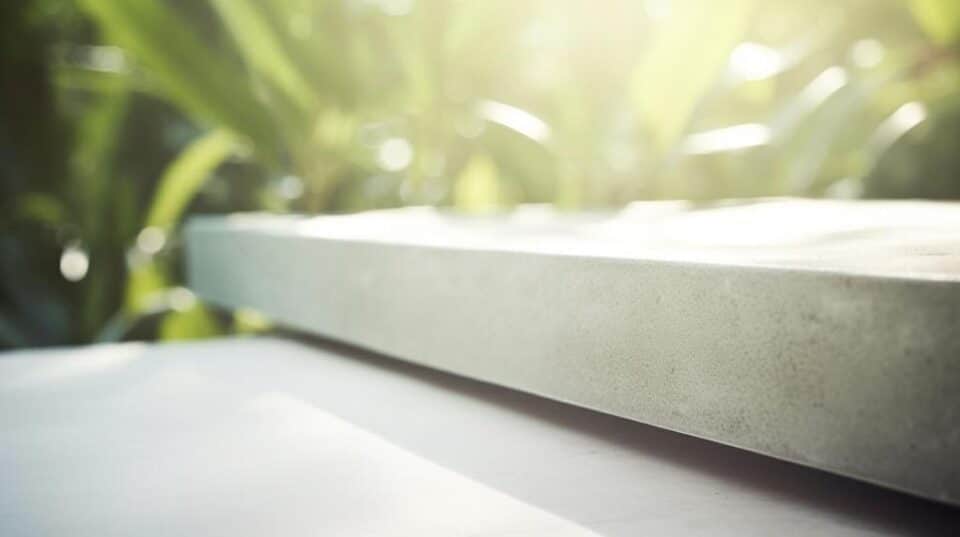
Concrete is the most commonly produced artificial material in the world. Although important for contemporary construction, the traditional production of concrete produces a considerable ecological footprint:
- CO2 emissions associated with cement production
- Significant amounts of water are consumed
- Exploitation of natural resources to obtain raw aggregate materials
- The Urban Heat Island Effect
That being said, the concrete industry is rapidly evolving, and Boston Concrete Works is at the leading edge of these environmentally friendly innovations.
Eco-Friendly Concrete Options for Projects in Boston
1. Use Low-Carbon Concrete Blends
We are developing innovative low-carbon blends that produce reduced levels of cement without a loss of strength by:
- Using fly ash and slag as partial cement substitutes
- Using limestone filler to reduce the amount of clinker
- Developing carbon-cured concrete that captures CO2 as it sets
Boston Impacts: These mixtures can result in a 30% reduction in the carbon footprint of concrete, moving toward achieving Boston’s target of carbon-neutral status by 2050.
2. Use Pervious Concrete for Stormwater Drainage
Boston’s existing stormwater drainage systems are experiencing increased stress due to the impacts of climate change. Pervious concrete is an option because:
- Water passes through it, reducing runoff and flooding.
- It filters contaminants, enhancing the water quality in the Charles River and Boston Harbor.
- It reduces the urban heat island effect by allowing the earth to “breathe.”
Project Application: We have successfully implemented a pervious concrete system in a Somerville parking lot to greatly reduce localized flooding problems when heavy rain occurs.
3. Recycled Aggregate Concrete
We’re finding ways to give new life to old concrete by using recycled aggregates:
- Using crushed concrete from demolition sites as aggregate
- Using crushed glass and plastic in decorative concrete systems
- Reducing the demand for virgin materials and landfills
Community Program: Through our partnership with the Boston Building Resources Center, we can purchase high-quality recycled materials locally.
4. Solar-Reflective Concrete to Mitigate Urban Heating
Boston’s summer days are becoming hotter, and traditional concrete can exacerbate urban heating. We provide options for solar-reflective concrete:
- Light-colored or white concrete to reflect the sun
- Additives that increase albedo (reflectivity)
- Cool-pavement technologies to reduce the surface temperature of pavement by up to 10 degrees Fahrenheit
City Collaboration: We are working with the City of Boston to pilot test cool-pavement technology in heat-vulnerable areas of the city.
Future of Eco-Friendly Concrete in Boston
Looking to the future, Boston Concrete Works is optimistic about emerging technologies:
- Carbon Capture in Concrete: Investigating methods to capture CO2 in concrete structures and store it forever.
- Self-healing Concrete: Researching self-healing concrete that can repair its own cracks, thereby reducing maintenance and the need for replacement.
- 3D-Printed Concrete: Evaluating additive manufacturing processes to reduce waste and improve material utilization.
Challenges and Considerations
Although eco-friendly concrete solutions offer many advantages, they also present some challenges:
- Higher initial costs, although these costs are usually recouped over time.
- New technologies in the infancy of their acceptance.
- Building codes and specifications may require revision to incorporate new materials.
We work with all of our clients, architects, and municipal authorities to overcome these challenges and develop sustainable solutions for every project.
How to Integrate Eco-Friendly Concrete into Your Project
- Involve Us Early: Include us in your plans to take advantage of opportunities for sustainability.
- Consider Long-Term Costs: Look at the costs of ownership of the materials over time, rather than just the first cost.
- Look for Incentives: There are incentives available from the government and other organizations for many types of sustainable building practices.
- Educate Decision-Makers: Educate those who make decisions regarding your project to help them understand the environmental and financial benefits of sustainable practices.
- Start Small: Start with a pilot project to establish success before expanding.
Conclusion: A Green Future
As Boston develops into one of the leaders in urban sustainability, the choices we make in how we construct and use building materials and processes will be critical to reducing our environmental footprint and creating beautiful, long-lasting structures that will serve our community for generations.
We are committed to advancing the possibilities of sustainable concrete and will assist you with integrating sustainable practices into your next residential, commercial, or industrial project.
Together, we can build a greener and more resilient Boston — one concrete pour at a time.
LATEST POSTS
Cost & ROI of Decorative Concrete Upgrades for Boston Homes
September 24, 2025
No Comments
Stamped Concrete Mistakes to Avoid in Wet/New England Climates
September 22, 2025
No Comments